
What is Cape Town?
A city wedged between a flat-topped mountain and the ocean at the bottom of Africa. Where it is, what the weather does, who lives there, and what you will be spending.

Before you commit a few months of your life to a city, it is fair to know what the city actually is. Cape Town is neither a faceless tourist stop nor the difficult place it can look like from a distance. Here is the honest short version.
Where it is
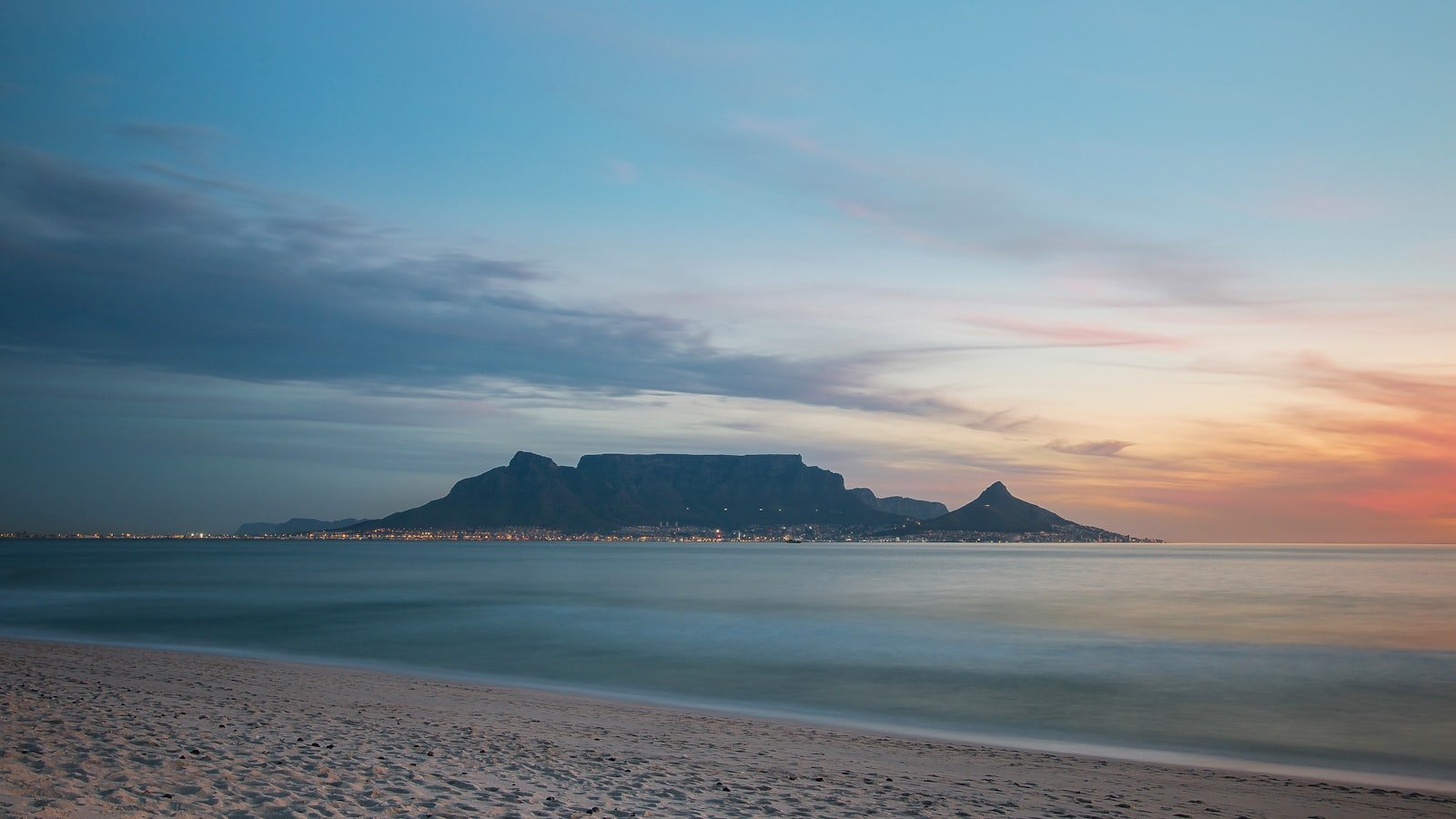
Cape Town sits at the south-western tip of South Africa, and therefore of Africa. Locals call it the Mother City because it is the country’s oldest. It is built directly between a flat-topped mountain — Table Mountain — and the sea, and that is the whole reason it looks the way it does in photographs: ocean on one side, a wall of rock on the other, the city in the gap between them.
The weather runs backwards
The climate is temperate and nothing like the Gulf. Summer runs December to February: warm, dry and long-evening, with a south-easterly wind locals nickname the Cape Doctor because it clears the air over the city. Winter runs June to August: cool and wet, never snowy. The point that catches everyone out is the reversal — your summer is their winter, so plan your intake around it.
People and language
South Africa is genuinely multilingual and has twelve official languages, South African Sign Language having been added in 2023. In Cape Town three of them dominate day to day: English, Afrikaans and isiXhosa. English is understood almost everywhere — in class, in shops, on transport — which is precisely what makes the city a sensible place to come and learn it.
Money and time
The currency is the South African rand, written R and abbreviated ZAR, divided into 100 cents. Card payment is accepted in most shops and restaurants. The time zone is UTC+2, one hour behind Saudi Arabia — a small enough gap that calling home never needs arithmetic.
A little history
The settlement was founded in 1652 as a resupply station for ships heading east, though the land was far from empty: Khoi and San peoples had lived in the region long before that. The neighbourhoods, the architecture and the food you meet today are the accumulated result of those layers, which is also why one Cape Town suburb can feel nothing at all like the next one over.
What it is known for
- Table Mountain, named one of the New7Wonders of Nature in 2011
- The Cape Floral Region, a UNESCO World Heritage Site with globally rare plant diversity
- Bo-Kaap, with its painted houses and long history
- African penguin colonies on beaches at the edge of the city
- The winelands, an hour out, and a completely different landscape


